



Can luck really influence your casino experience?
The Role of Luck in Games of Chance
Luck is often viewed as a significant factor in the world of casinos, particularly in games of chance like slots, roulette, and dice games. These types of games inherently rely on unpredictability, where the outcome can hinge solely on the whims of fortune. For instance, in roulette, the ball’s landing on a winning number can feel purely random, leading players to attribute their successes or failures to luck. This belief is crucial; it creates an electric atmosphere, enticing players who hope their fortunes will change for the better as they explore options like payid pokies with each spin or roll.
Delving deeper into the psychology of gamblers reveals that the concept of luck is intertwined with personal rituals and beliefs. Many players engage in specific behaviors, such as wearing certain clothing or carrying talismans, convinced that these actions can sway luck in their favor. This need to exert control over an uncontrollable situation speaks volumes about human nature. The emotional investment tied to these beliefs can amplify the overall casino experience, making victories feel even sweeter and losses more poignant.
However, it’s vital to differentiate between luck and skill in gambling. While games like slots operate purely on chance, card games such as poker require a blend of strategy and luck. Here, the ability to read opponents and calculate odds plays a significant role. This dynamic complicates the perception of luck, as it not only impacts the player’s experience but also introduces a layer of strategy that can affect outcomes, making it a topic of ongoing debate among enthusiasts.
The Psychological Impact of Gambling
The psychological ramifications of gambling are profound and multifaceted, extending beyond the immediate thrill of winning or losing. The anticipation of a potential win can trigger a euphoric rush that many find intoxicating. Players often describe the high they experience during winning streaks, which can sharply contrast with the lows that accompany losses. This emotional rollercoaster is a fundamental aspect of the gambling experience and shapes how individuals interpret luck’s influence on their gaming sessions.
Moreover, cognitive biases play a significant role in how players perceive their luck. The “gambler’s fallacy,” for example, leads individuals to believe that past events influence future outcomes. A player might think that after several unsuccessful spins on a slot machine, it is “due” for a payout. This misinterpretation can distort their perception of luck, reinforcing emotional attachments to the game that can become unhealthy over time. Understanding these psychological dynamics is crucial for gamblers, as they navigate their feelings of hope and despair during their sessions.
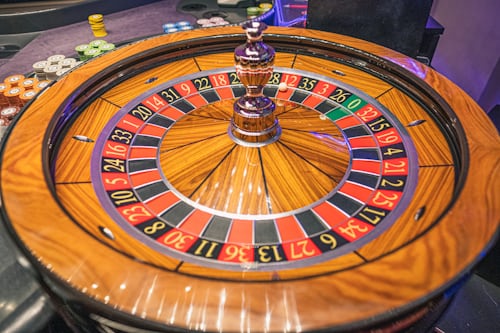
Social interactions in a casino setting can amplify how luck is perceived. Group dynamics often heighten feelings of shared luck, especially when players celebrate wins together. The casino’s lively atmosphere can create a collective energy that players believe impacts their fortunes. This social dimension illustrates how interconnected experiences shape individual perceptions of luck, contributing to the overall thrill of the gaming experience and fostering a sense of community among players.
Strategies for Enhancing Your Luck
Although luck is often seen as an uncontrollable factor in the casino landscape, players frequently adopt strategies to enhance their overall experience and perception of luck. Choosing the right games can significantly influence a player’s engagement and sense of fortune. Many players gravitate toward games that offer higher payout percentages, convinced that this will increase their chances of winning. While game selection does affect odds, it is essential to recognize that luck remains a significant determinant of outcomes.
Another common strategy involves establishing limits on time and money spent at the casino. By controlling their budget and time, players can maintain a positive mindset, which can indirectly boost their perception of luck. When players are not stressed by financial losses or fatigue, they are more likely to feel fortunate and enjoy their experience. This self-regulation is vital in a high-energy environment where emotional highs and lows can significantly influence a player’s gaming journey.
Additionally, some players turn to positive thinking and visualization as tools to attract good luck. By picturing themselves winning and fostering confidence in their abilities, they create a mental environment that may influence their gaming experience. While these psychological tactics do not change the odds, they can significantly enhance how players engage with games, potentially leading to a more satisfying experience. Implementing such strategies can transform a gaming session into an enjoyable adventure filled with perceived good fortune.
Understanding the Odds and the Nature of Casino Games
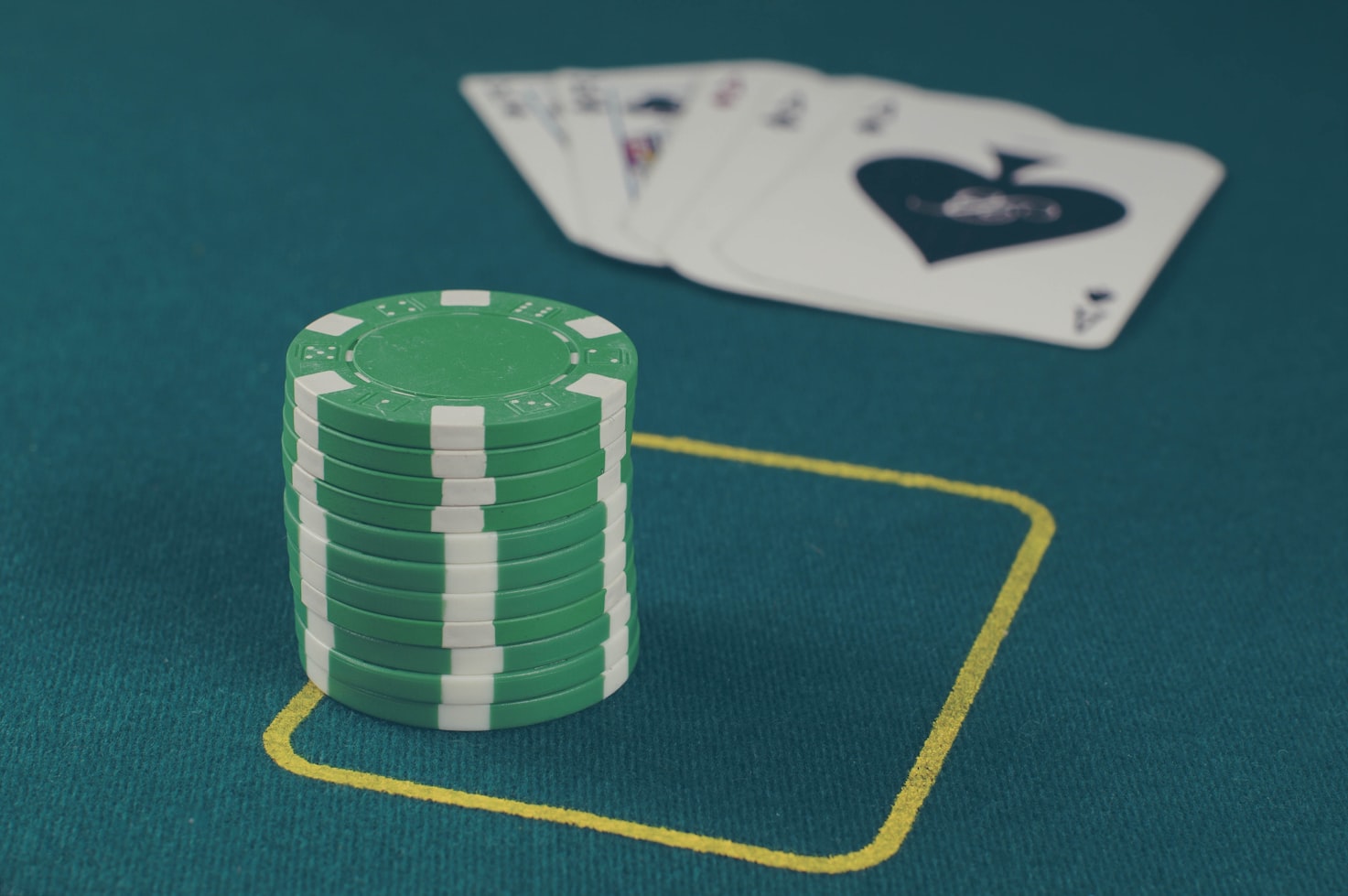
Understanding the odds of casino games is crucial for any player looking to navigate their gambling experience effectively. Every casino game is meticulously designed with a built-in house edge, ensuring that the house, over time, is mathematically favored to win. For example, in blackjack, players equipped with basic strategy knowledge can make informed decisions that enhance their chances of winning. This understanding can help mitigate the randomness of luck, enabling players to adopt a more analytical approach to their gameplay.
Slots, on the other hand, captivate players with their unpredictable nature. The mechanics of random number generators dictate that each spin is independent and subject purely to chance. Despite players’ beliefs that their actions or choices can sway outcomes, the reality remains that luck governs these games. A solid grasp of the odds allows players to manage their expectations effectively, creating a more enjoyable experience regardless of the outcomes they face.
Recognizing the distinction between luck and odds is essential for responsible gambling practices. Understanding the limits of luck can lead to healthier habits, where players engage in gaming without the expectation of guaranteed wins. This awareness helps players appreciate each session as part of a larger statistical landscape, encouraging a balanced approach that fosters sustainable engagement with casino activities. Ultimately, this perspective enhances the overall enjoyment of gambling, allowing individuals to relish the thrill without undue stress.
Exploring More about Casino Experiences
For those captivated by the complex interplay of luck, psychology, and strategy in casinos, exploring well-curated resources can enrich your understanding significantly. Websites dedicated to casino insights often provide in-depth analyses of various games, strategies, and the underlying mathematics that drive the industry. These platforms can serve as valuable repositories of information, offering insights into the psychological factors that influence gambling behaviors and providing tips for maximizing enjoyment while remaining aware of associated risks.
Engaging with communities that share an interest in gaming can also enhance your overall experience. Numerous online forums and social media groups discuss personal experiences, strategies, and tips that can broaden your approach to gambling. Connecting with fellow enthusiasts allows for a rich exchange of ideas and perspectives on luck, helping you discover new strategies that may improve your gaming sessions and overall enjoyment in casinos.
In summary, the casino experience is a fascinating blend of luck, strategy, and psychological factors. A comprehensive understanding of these elements can empower players to navigate their gaming journeys more effectively. Embracing luck’s unpredictable nature while also appreciating the strategic elements involved can lead to a more fulfilling and rewarding gaming experience. For more insights, strategies, and tips on navigating the casino landscape, visit our website, where we delve deeper into the captivating world of casinos and gaming dynamics.