



Uncovering common myths about gambling in casinos
The House Always Wins
One of the most prevalent myths surrounding casino gambling is the belief that the house always wins. While it is true that casinos are designed to have a slight edge over players in the long run, this does not guarantee that every player will lose on every visit. The house edge varies between different games; for instance, games like blackjack and poker can offer skilled players the opportunity to reduce the house edge significantly. Many players also explore options like nrl betting as an alternative, and with a good understanding of the odds and the adoption of optimal strategies, players can enjoy winning sessions, dispelling the notion that losses are inevitable.
Moreover, fluctuations in games lead to short-term wins for players. Many gamblers experience streaks of luck, with winning hands or spins providing substantial payouts. These moments can create the illusion that one can consistently beat the house, which feeds into the myth. It’s essential to recognize that while the odds may favor the house over time, individual outcomes vary dramatically and can favor players in the short term. This variability means that the gambling experience is much more nuanced than the simplistic notion that the house always wins.
Ultimately, the statement that the house always wins ignores the complex dynamics of gambling. Players can indeed have winning experiences, especially when engaging with games that offer a skill component. Understanding the math behind each game and setting an appropriate bankroll can lead to a more enjoyable experience and debunk this common myth of casino gambling. Engaging with the right mindset and recognizing the potential for wins can transform the gaming experience from a mere gamble into an enjoyable pastime.
You Can Predict Outcomes with Patterns
Many gamblers fall victim to the idea that they can predict future outcomes based on previous results. This myth often manifests in games like roulette or slot machines, where players assert that a particular pattern will emerge from random sequences. However, the reality is that each spin or deal is independent. It is governed by random number generators in electronic games or shuffle machines in table games, meaning previous outcomes have no bearing on future results. This makes the belief in predictability misguided and can lead to poor gambling decisions.
The concept of “hot” or “cold” streaks is prevalent in casinos, where players often believe that a particular slot machine is more likely to pay out after a series of losses. This leads to the misconception that tracking these trends can improve their chances. In reality, each game round is statistically random, and understanding this can help players avoid the pitfalls associated with chasing losses or looking for patterns where none exist. Believing in these patterns can lead to frustration and financial loss, as players become overly focused on trying to outsmart the randomness of the games.

Ultimately, recognizing that gambling outcomes are based on chance rather than patterns empowers players to approach games with a more rational mindset. Instead of trying to predict future results, focusing on understanding the odds and implementing sound betting strategies enhances the overall gaming experience. By educating themselves on the nature of random outcomes, players can enjoy their time at the casino without being bogged down by false hopes of predictability, which ultimately helps to eradicate the myth surrounding pattern prediction.
Luck vs. Skill: The Real Difference
A common myth in the gambling world is the oversimplification of games into categories of luck or skill. Many individuals mistakenly believe that all casino games are purely based on chance, while others assume that skill-based games guarantee success. In reality, a nuanced understanding of both elements is crucial for players looking to maximize their enjoyment and potential winnings in a casino setting. Recognizing this distinction helps players make informed choices about which games to engage in based on their own strengths and preferences.
Games like poker and blackjack incorporate a significant skill component and demonstrate how players can influence their success through strategic decision-making. A skilled poker player, for instance, can leverage their understanding of probabilities and psychology to improve their odds against opponents. Conversely, games such as roulette or slots rely more heavily on luck, with outcomes determined by random chance. Emphasizing the significance of skill versus luck in games allows players to tailor their approach, adopting strategies that align with the nature of the game they are playing.
Ultimately, understanding the balance between luck and skill enables players to adopt a more informed strategy, promoting a more engaged and satisfying gaming experience. Recognizing which games require skill and which ones are luck-based can help players choose their games wisely and approach each session with realistic expectations. This awareness not only enhances the enjoyment of gambling but also dispels the myths that oversimplify the complexity of casino gaming, leading to a more fulfilling experience overall.
Gambling is an Easy Way to Get Rich
The allure of casinos is often shrouded in the myth that gambling is a quick and easy route to wealth. While stories of sudden jackpots or life-changing winnings do exist, they are far from the norm. Most players do not experience such windfalls, and the reality is that gambling should be viewed primarily as entertainment rather than a reliable way to generate income. This misconception can lead individuals to make financially risky decisions, spending more than they can afford to lose in hopes of hitting it big.
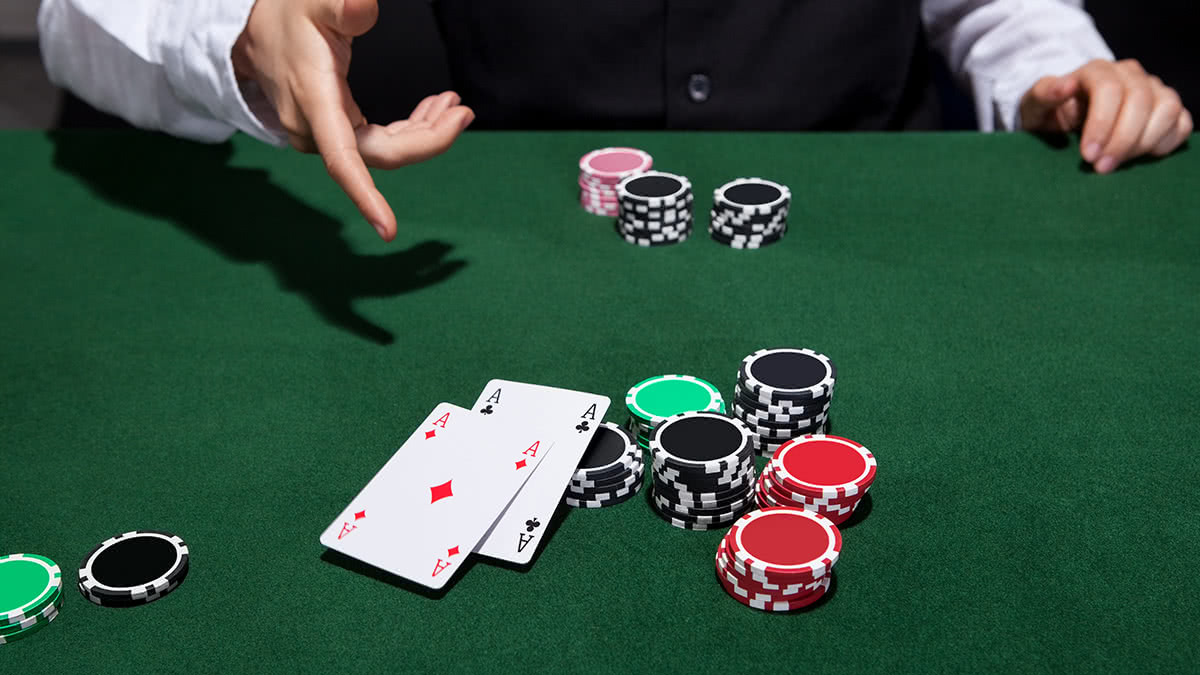
Moreover, the nature of games and the odds involved means that the majority of players will ultimately lose money in the long run. Casinos are structured to ensure profitability, and this economic reality can create a gambling environment where many players chase after stringing together a series of losses in hopes of hitting the jackpot. Understanding that gambling is a form of entertainment, rather than a business venture, is vital to maintaining a healthy outlook on gaming. By shifting focus from potential wealth to enjoyment, players can engage with gambling more responsibly.
In conclusion, while there are exceptions, the idea that gambling leads to wealth is largely a myth. Players should approach gambling with realistic expectations, focusing on the enjoyment it can provide rather than viewing it as a potential source of income. Doing so will not only mitigate financial risks but also enhance the overall gaming experience by allowing individuals to play responsibly and joyfully. Acknowledging that gambling is primarily for entertainment can lead to a more positive outlook and improved experiences at the casino.
Understanding Casino Gambling
Understanding the complexities of casino gambling requires looking beyond the myths and misconceptions that surround it. Many individuals enter casinos with preconceived notions that can lead to disappointment or misinformed decisions. By educating oneself about how different games work, their odds, and responsible gambling practices, players can enhance their experience and navigate the casino landscape more effectively. Knowledge is an essential tool in dispelling myths and creating a more enjoyable environment for everyone involved in the gaming process.
Additionally, the experience gained from engaging with various games can provide insights that break down common myths. For example, understanding that slot machines have different payout percentages can help players make informed choices about where to invest their time and money. Learning the nuances of table games, such as understanding the rules and strategies of blackjack or poker, can also shed light on how skill can impact outcomes, contradicting the myth that all casino gaming is purely luck-based. This knowledge empowers players to take control of their gaming experience.
Ultimately, fostering an understanding of casino gambling helps to create a more enlightened perspective, allowing players to enjoy their experiences responsibly and thoughtfully. By dispelling common myths and emphasizing education, players can engage with gambling in a way that leads to entertainment, informed decision-making, and ultimately a more successful casino experience. Engaging with the casino world through a lens of knowledge and responsibility can transform the experience from mere chance to a rewarding adventure.